
How should bystanders act in situations of violence?
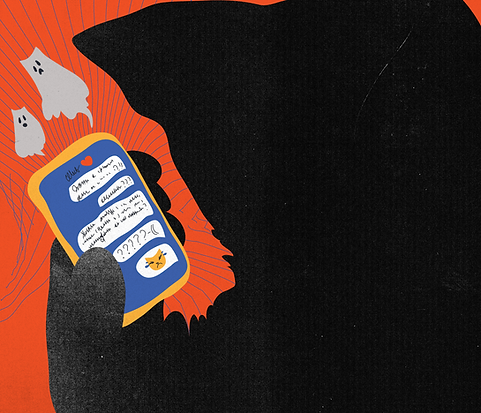
Responding to violence happening right in front of you can be quite difficult, especially since we live in a culture where such things are often silenced. Some people also experience the so-called bystander effect: they hesitate to intervene and hope that someone else, braver and more decisive, will do it. If violence happens within a group, the perpetrator may even be deliberately protected so as not to lose a colleague, friend, or employee.
But if no one reacts, violence only becomes more visible and normalized. By staying silent, оправдовуючи, or covering it up, we reinforce rape culture and make society less safe.
I witnessed violence in a public place. What should I do?
There is a method called the 5Ds, specifically developed for such situations. These are five types of actions, each starting with the letter D. First, assess the situation and whether it is safe to intervene, then choose one option depending on your readiness and circumstances:
Distract.
Try to intervene indirectly and throw the perpetrator off. Ask the affected person what time it is or for directions; pretend you know them and haven’t seen them in a while; or simply position yourself between them and the perpetrator (e.g., in public transport) as if you need to stand there. The key is to act subtly, without drawing attention to the situation. Once it’s safe, you can explain your actions.
Delegate.
If you don’t feel able to intervene yourself, ask someone else. This works especially well if there is security staff or someone with authority (e.g., a teacher or conductor). If not, ask a nearby person. Clearly describe what is happening and what help is needed. For example:
“The guy in the red cap is touching the girl in the floral dress. This is harassment, and she may be in danger. Could you help intervene or distract him?”
Document.
You can record the incident (audio or video), but only in certain cases. Do so only if someone else is actively helping the person. Recording without offering help may retraumatize them. Never use or share the footage without the person’s consent, especially online.
Delay.
If you couldn’t intervene or didn’t feel safe doing so, support the person afterward. Ask how they feel and whether they need help. Reassure them that it was not their fault and that the behavior was unacceptable. Do not pressure or judge — sometimes just being present and listening is enough.
Direct.
If you are ready to act openly, first assess your safety. If appropriate, clearly state that the behavior is unacceptable:
“Stop that.” / “Leave them alone.”
Avoid engaging with the perpetrator beyond this — focus on the situation and the affected person instead. You can ask: “Are you okay?” or “Do you want me to stay with you?”
Safety — yours and the affected person’s — should always come first. You do not need to use all methods at once; choose what feels safest in the moment.
You can also practice this method through a free online training*.
*Learn how to react. Stand Up Online Training. — https://www.standup-international.com/en-en/our-training?tab=bystander
It seems like someone I know is experiencing violence. What should I do?
People often stay silent about domestic violence due to shame, fear, or lack of trust. However, there may be warning signs: constant calls/messages from a partner, avoiding social events, appearing anxious or exhausted, or having visible injuries. You may also notice controlling behavior — the partner constantly monitoring their movements or limiting their interactions.
Until the person tells you directly, these are only suspicions. Still, you can gently check in with someone you care about.
Start by ensuring safety, trust, and confidentiality. Choose a calm, private setting to talk.
Use “I-statements” to avoid sounding accusatory. For example:
“I’m worried about you because…”
“I’ve noticed that…”
Describe your observations without making assumptions:
“I saw that…”
“It seems like things have been difficult for you lately…”
If they open up, believe them and offer support. Say:
“I believe you.”
“This is not your fault.”
“I’m on your side.”
Acknowledge that sharing this is difficult and thank them for trusting you. If they ask you to keep it confidential, respect that. Focus on how you can help — for example, by sharing resources, hotline contacts, or information about shelters.
Remember: leaving an abusive situation is often complex. Do not pressure them into immediate decisions. Let them know you support them regardless of their choices and that they can turn to you in the future. Because of stigma and control, survivors often feel isolated — it matters greatly to know someone believes them.